Olympus E-400
The Olympus E-400, launched on 14 September 2006, was a remarkably compact digital single-lens reflex camera built around the Four Thirds System lens mount. At the time of its release, it stood out as one of the smallest and lightest DSLRs available, weighing just 435g and measuring 130 × 91 × 53 mm, making it extremely portable compared with other 2006 models.
Technically, the E-400 featured a 10-megapixel Kodak KAI-10100 CCD sensor measuring 17.3 × 13.0 mm, delivering a maximum resolution of 3648 × 2736 pixels. The Four Thirds sensor introduced a 2× crop factor, which effectively doubled the focal length of any attached lens — a useful advantage for telephoto work.
The camera supported ISO 100–1600, offered RAW and JPEG capture, and used CompactFlash (Type I/II) or xD‑Picture Card storage. Autofocus was handled by a 3-point TTL phase-detection system, with Single AF, Continuous AF, and Manual Focus modes available. Exposure control included Program, Aperture Priority, Shutter Priority, Manual, and a wide selection of scene modes.
The E-400 used an optical pentamirror viewfinder with 95% coverage and 0.46× magnification, paired with a 2.5‑inch fixed LCD for image review. Shutter speeds ranged from 60 seconds to 1/4000s, and the camera could shoot at 3 frames per second, which was competitive for its class at the time.
Despite lacking modern features such as live view or in-body image stabilisation, the E-400 delivered excellent image quality for its era thanks to its CCD sensor, which produced rich colour and pleasing tonal depth. Its compact size, straightforward controls, and compatibility with the full range of Four Thirds lenses made it an ideal entry point into digital SLR photography.
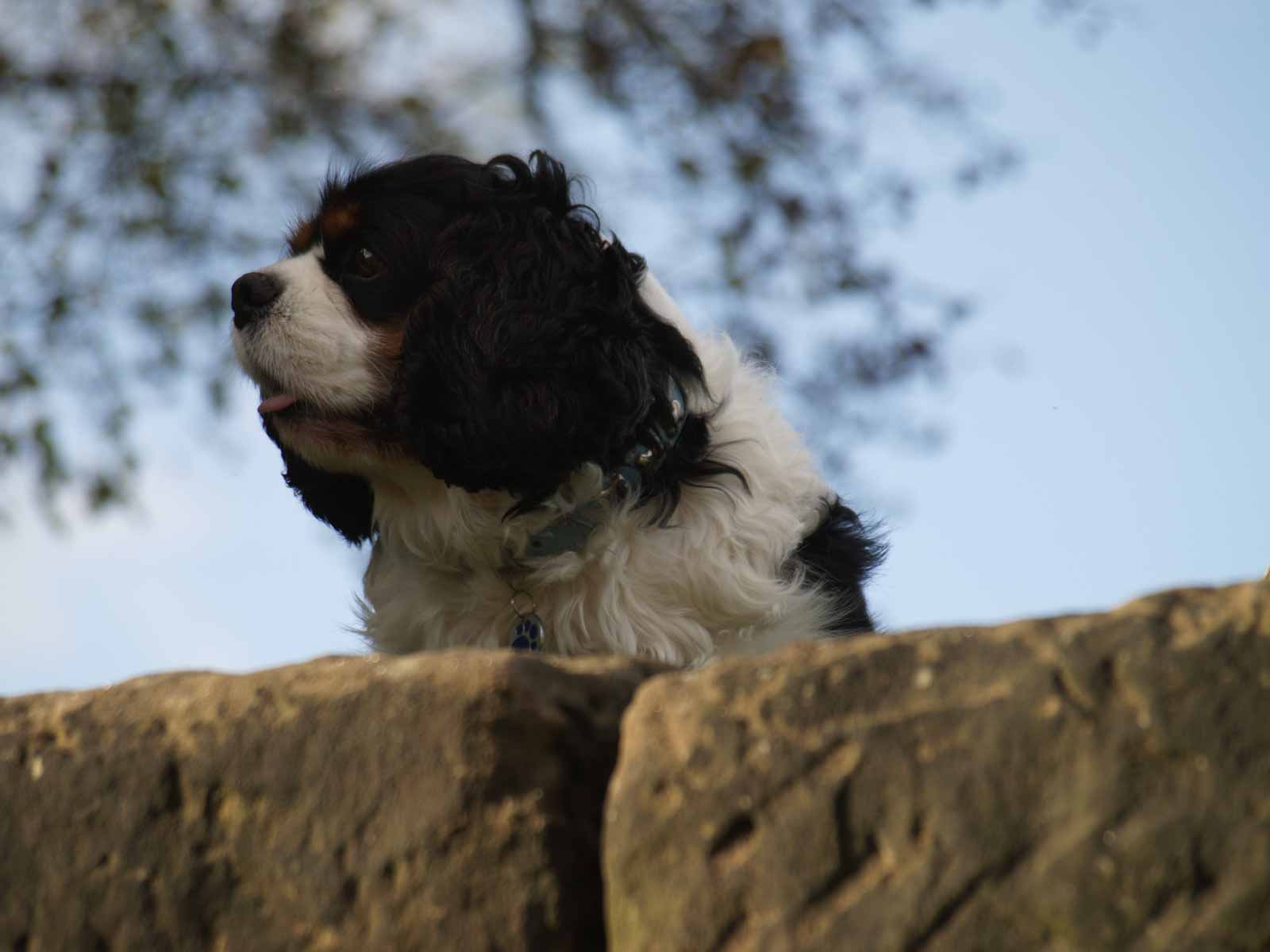
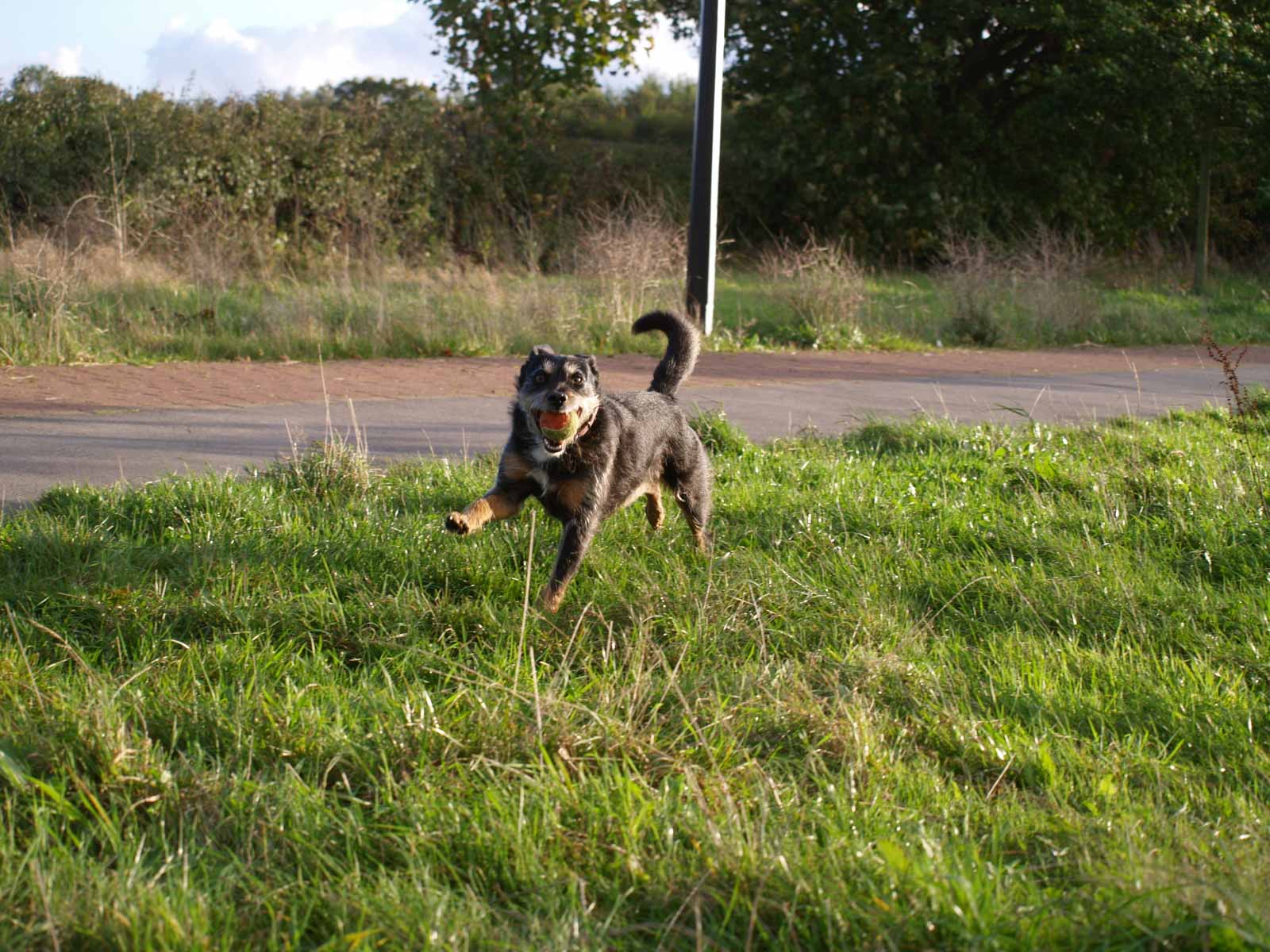
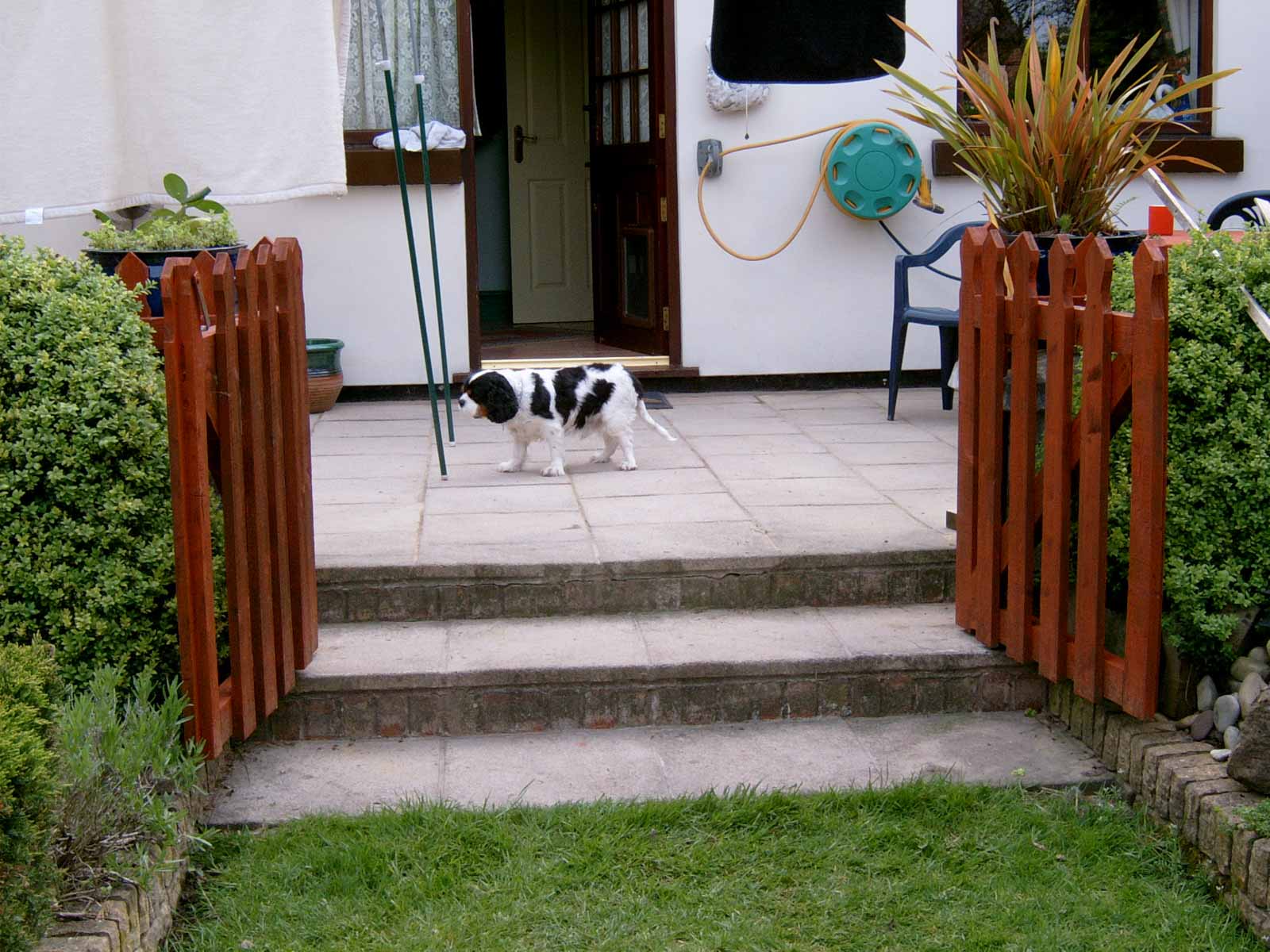
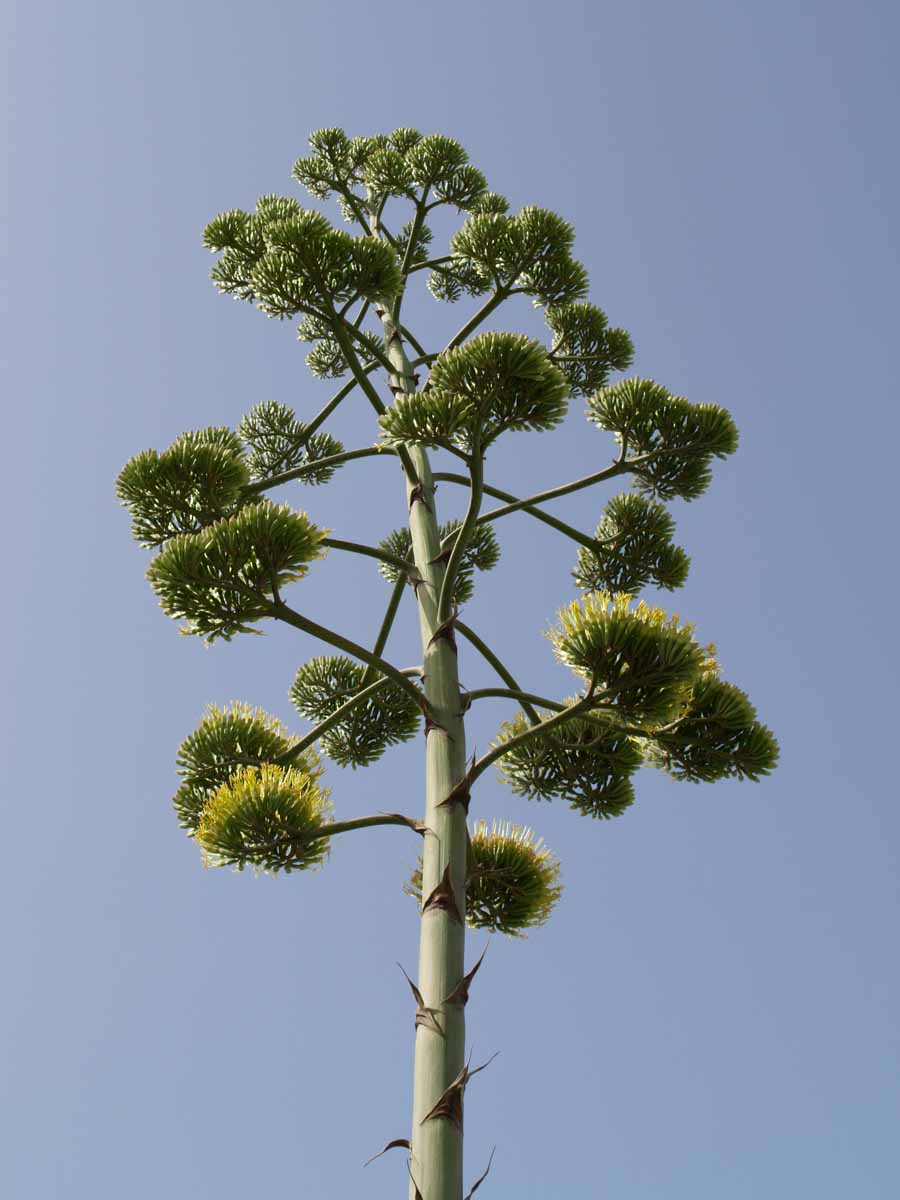
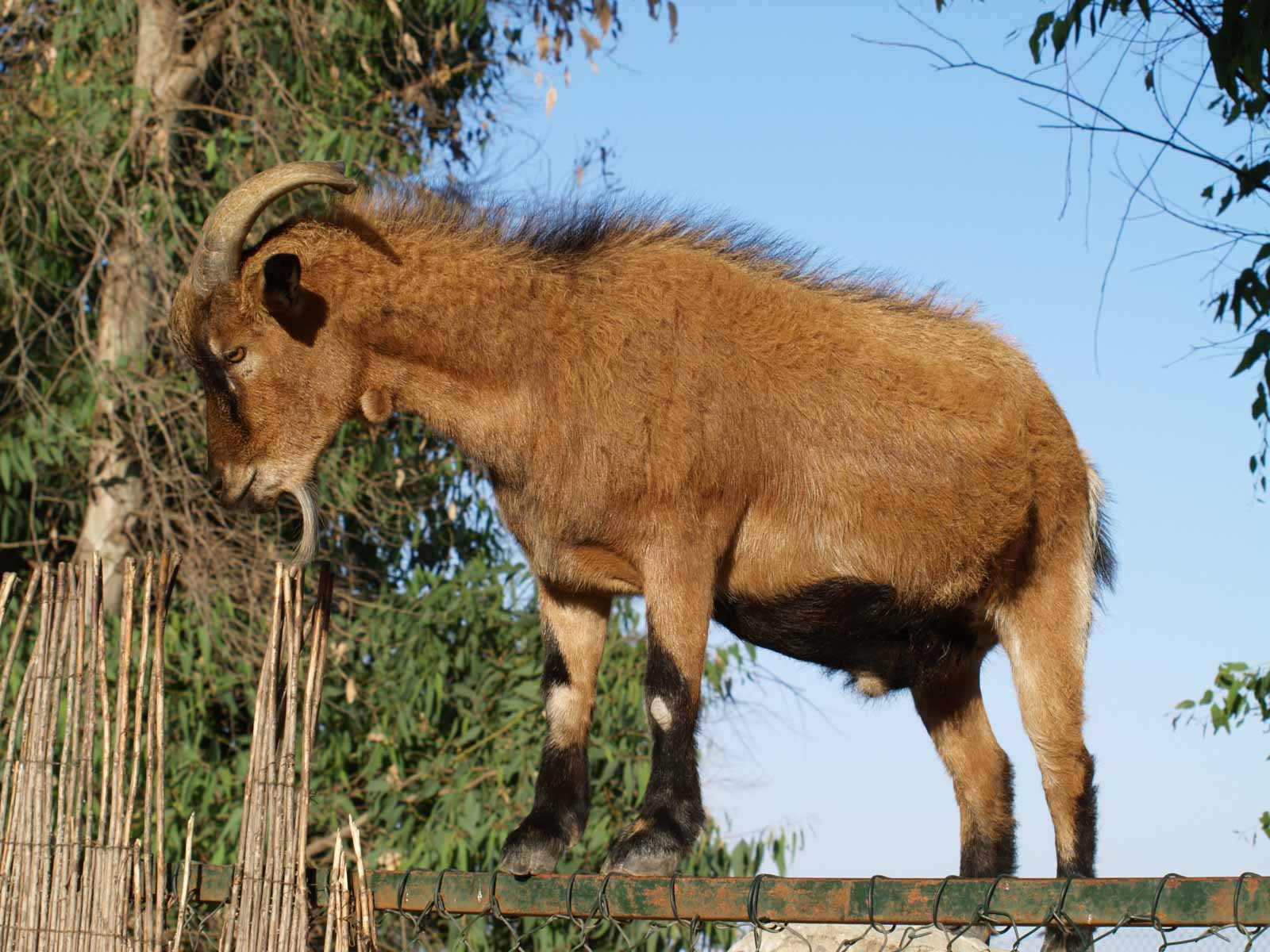
Here are some of the images that I took with this camera.