Skip to content
Olympus E-500
My next camera was the Olympus E-520, although the way I ended up with it was far from straightforward. At the time, I was still using my Olympus E-400, often with lens converters attached. One afternoon, while trying to mount the camera onto a tripod, I managed to drop it. The camera survived — sort of — but from that moment on it would only record images upside down.
It was easy enough to fix in Adobe Lightroom, but it quickly became a nuisance. A factory repair was quoted at over £100, so I claimed on my insurance. The assessors decided the E-400 wasn’t worth repairing and initially offered an Olympus E-420 as a replacement. After a conversation with them, I discovered I could pay the difference and upgrade to the E-520, which was a far more capable camera.
Olympus E-520 – Technical Overview
The Olympus E-520, released in 2008, was a significant step up from the E-400. It featured:
10-megapixel Live MOS sensor (Four Thirds format)
Sensor-shift image stabilisation, effective with every lens
Live View with contrast-detect AF — a big improvement over the E-400
3-point phase-detect autofocus system
ISO 100–1600
2.7-inch HyperCrystal II LCD
3.5 fps continuous shooting
Dust Reduction System using Olympus’s ultrasonic filter
CompactFlash and xD-Picture Card support
The addition of in-body image stabilisation alone made a huge difference, especially for handheld work. The E-520 quickly became my main camera, and many of the images from this period remain favourites.
The Sigma Lens Incident
Unfortunately, the same drop that damaged the E-400 also affected my Sigma 50mm macro lens, which I was using via a 42mm adapter. One of the tiny adapter screws fell into the lens and jammed the focusing mechanism solid.
I attempted to disassemble the lens and remove the screw — which I managed — but I couldn’t get the lens to reassemble correctly. When I contacted Sigma UK, they told me they no longer had anyone who knew how to repair that particular model. I then emailed Sigma Japan, who said the same, but as a gesture of goodwill they offered me a £150 voucher if I returned the damaged lens.
That voucher allowed me to purchase the Sigma 105mm f/2.8 EX DG Macro for the Four Thirds system.
Sigma 105mm f/2.8 EX DG Macro – Technical Overview
This lens was a revelation. Key features included:
True 1:1 macro reproduction
105mm focal length (equivalent to 210mm on Four Thirds)
f/2.8 maximum aperture
Internal focusing for stable handling
Excellent sharpness and contrast, even wide open
Beautiful background blur (bokeh)
Working distance ideal for insects and flowers
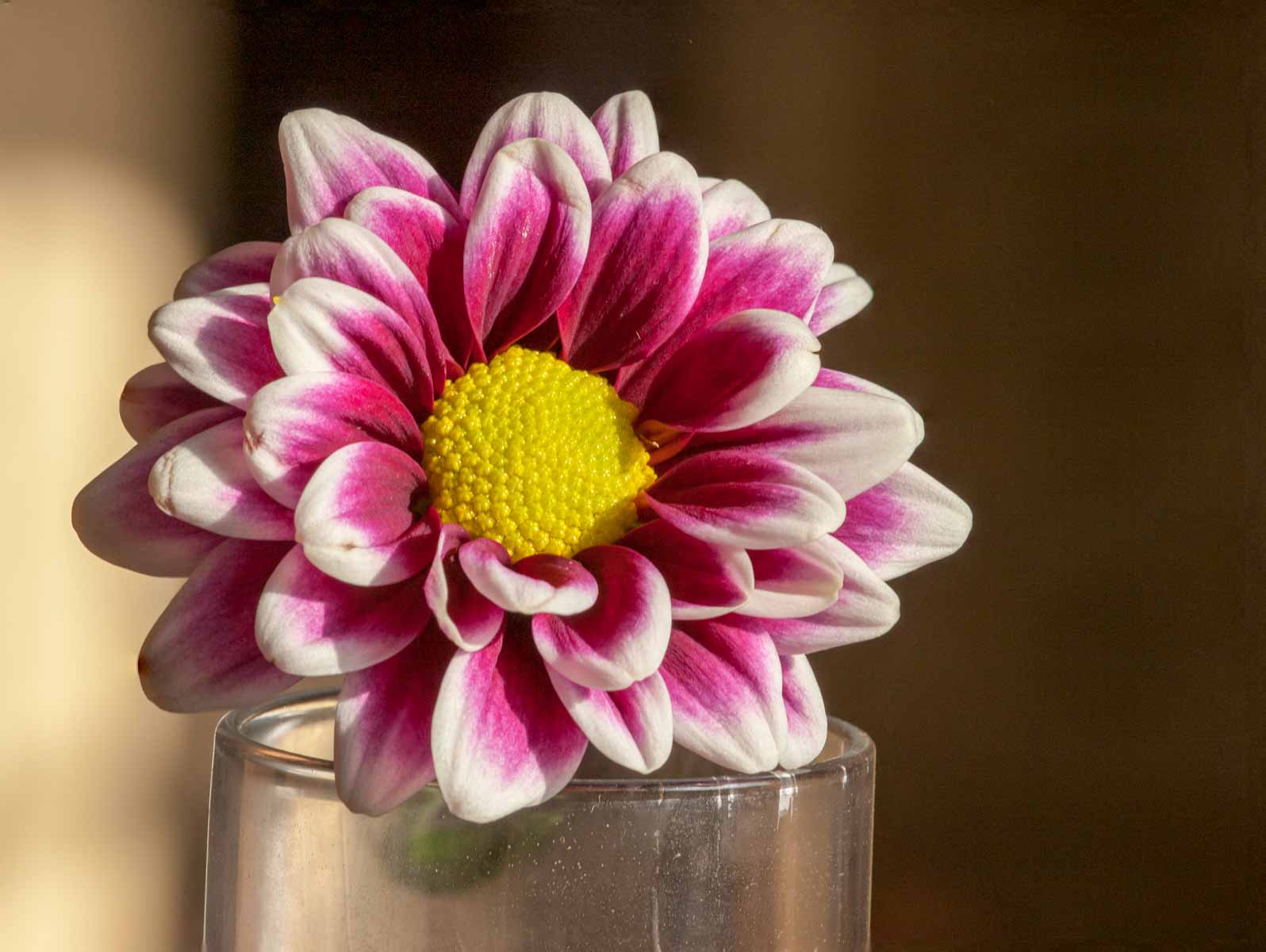
Mounted on the E-520, the Sigma 105mm produced some stunning images — many of which remain among my best macro photographs. The combination of Olympus’s in-body stabilisation and Sigma’s optical quality made it a superb setup for close-up work.
Images From This Period
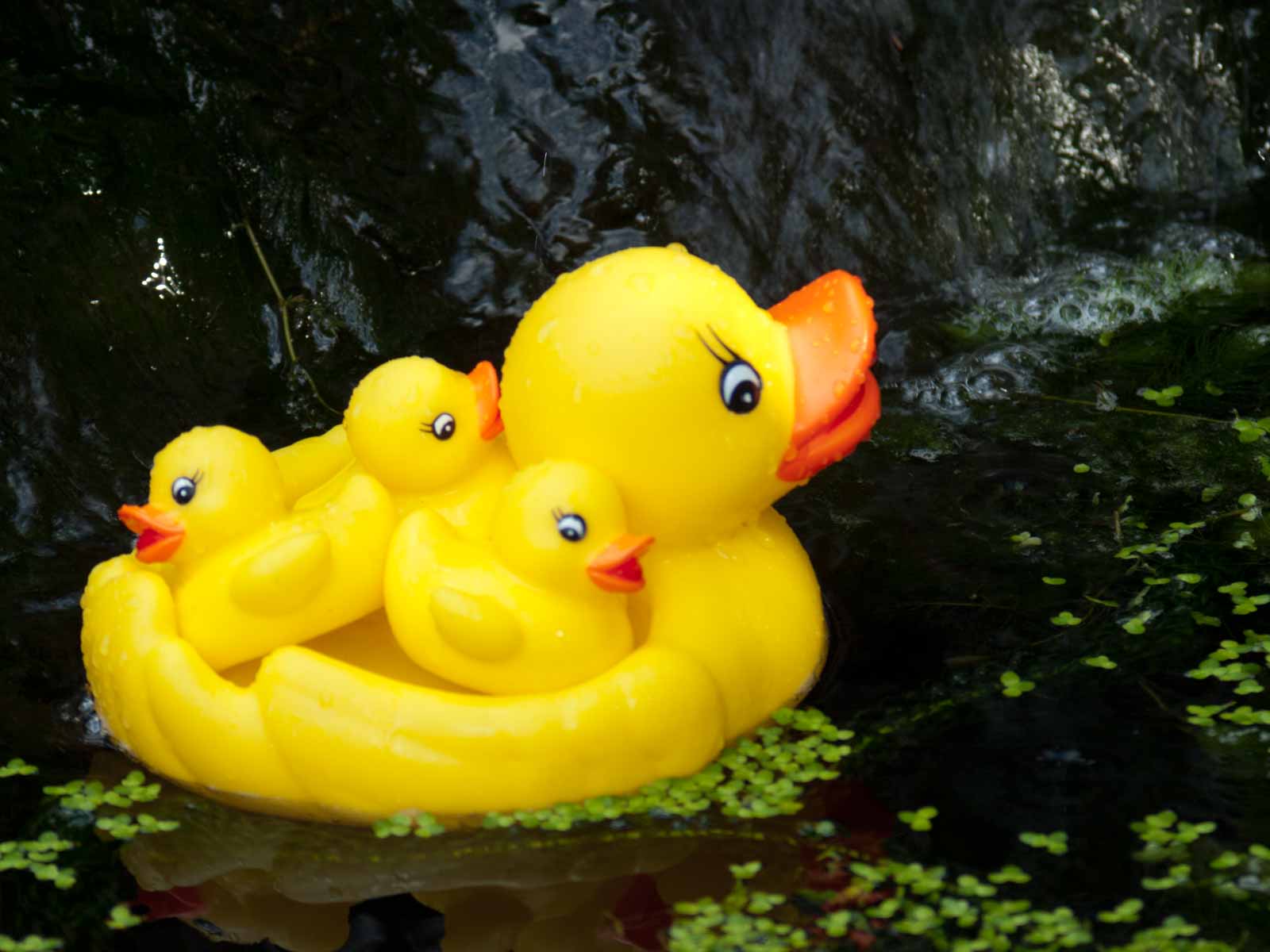
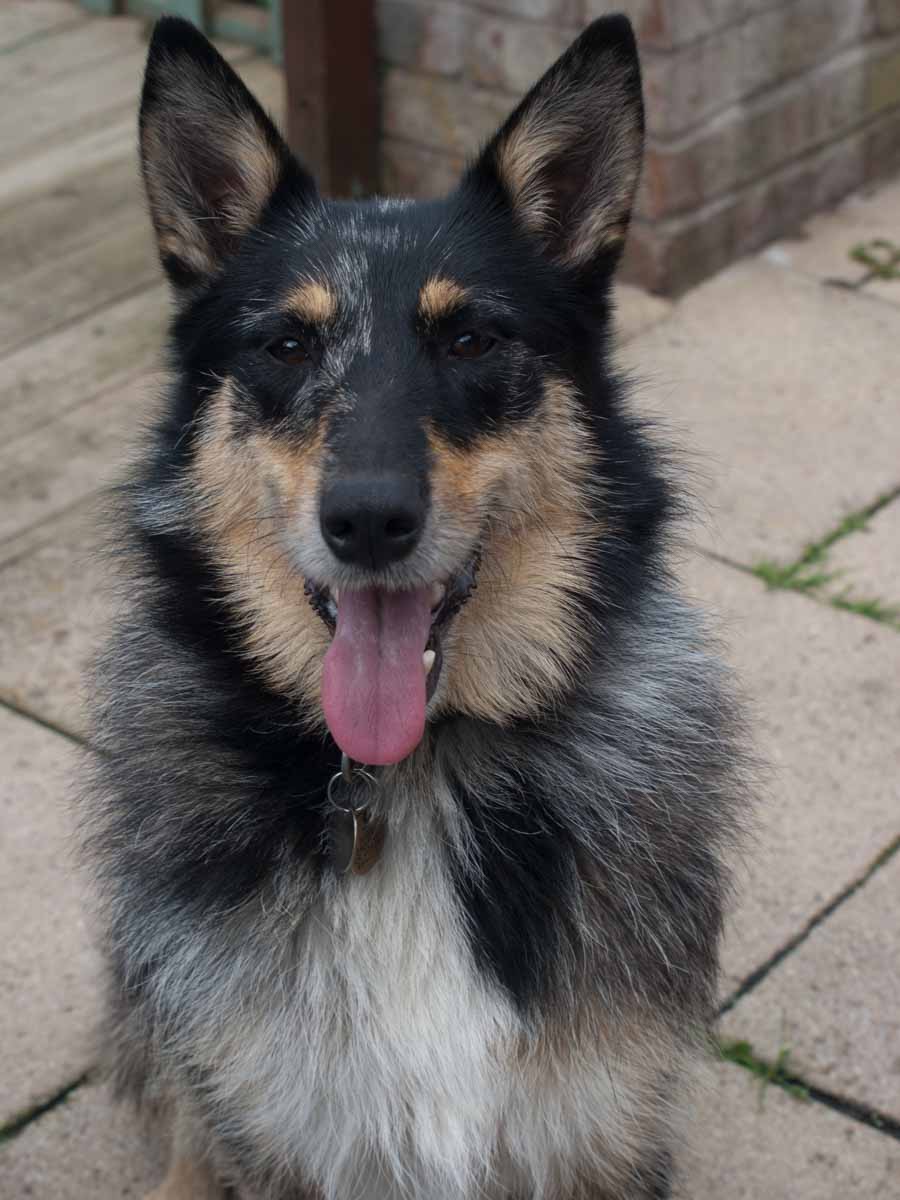
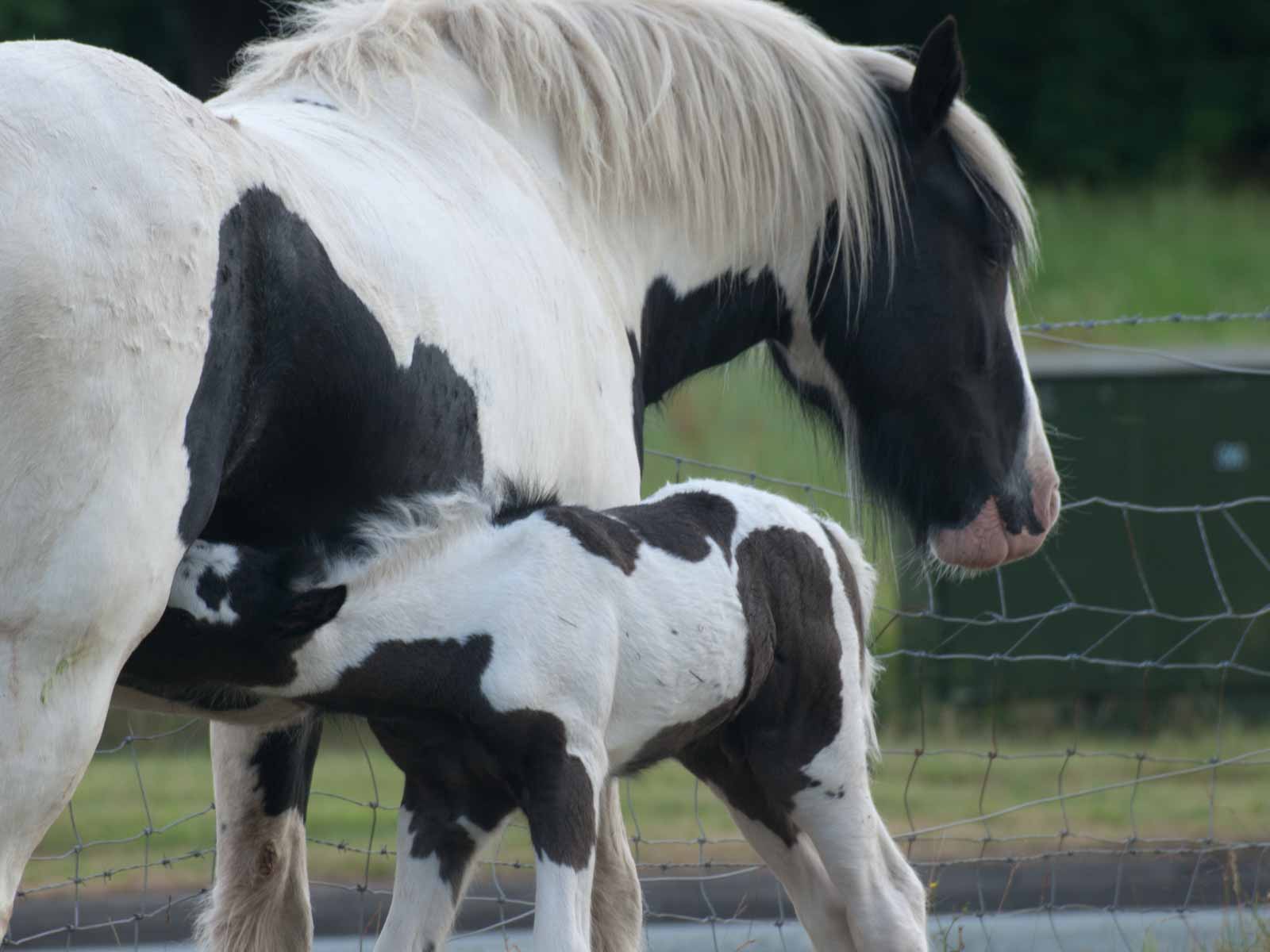
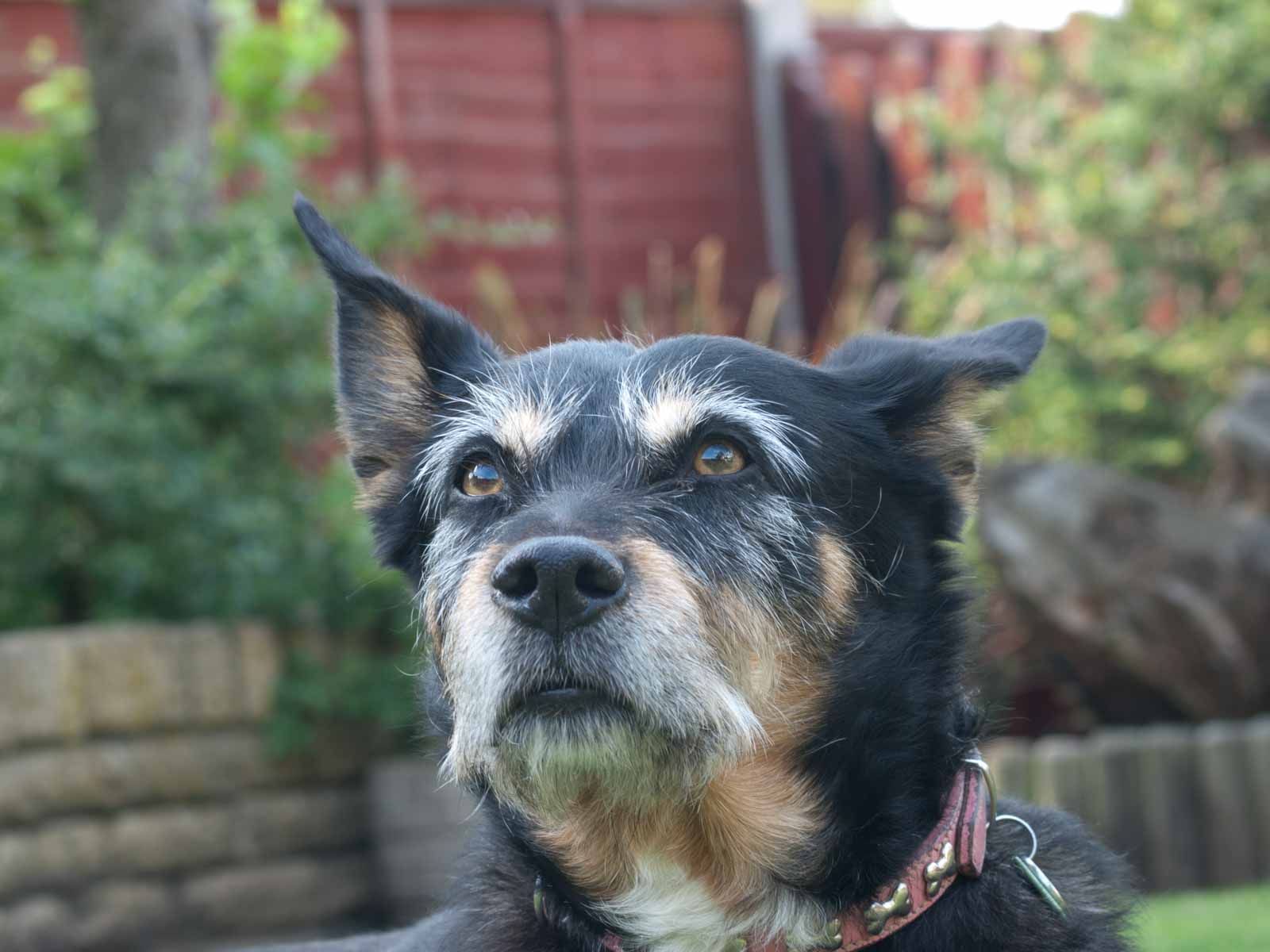
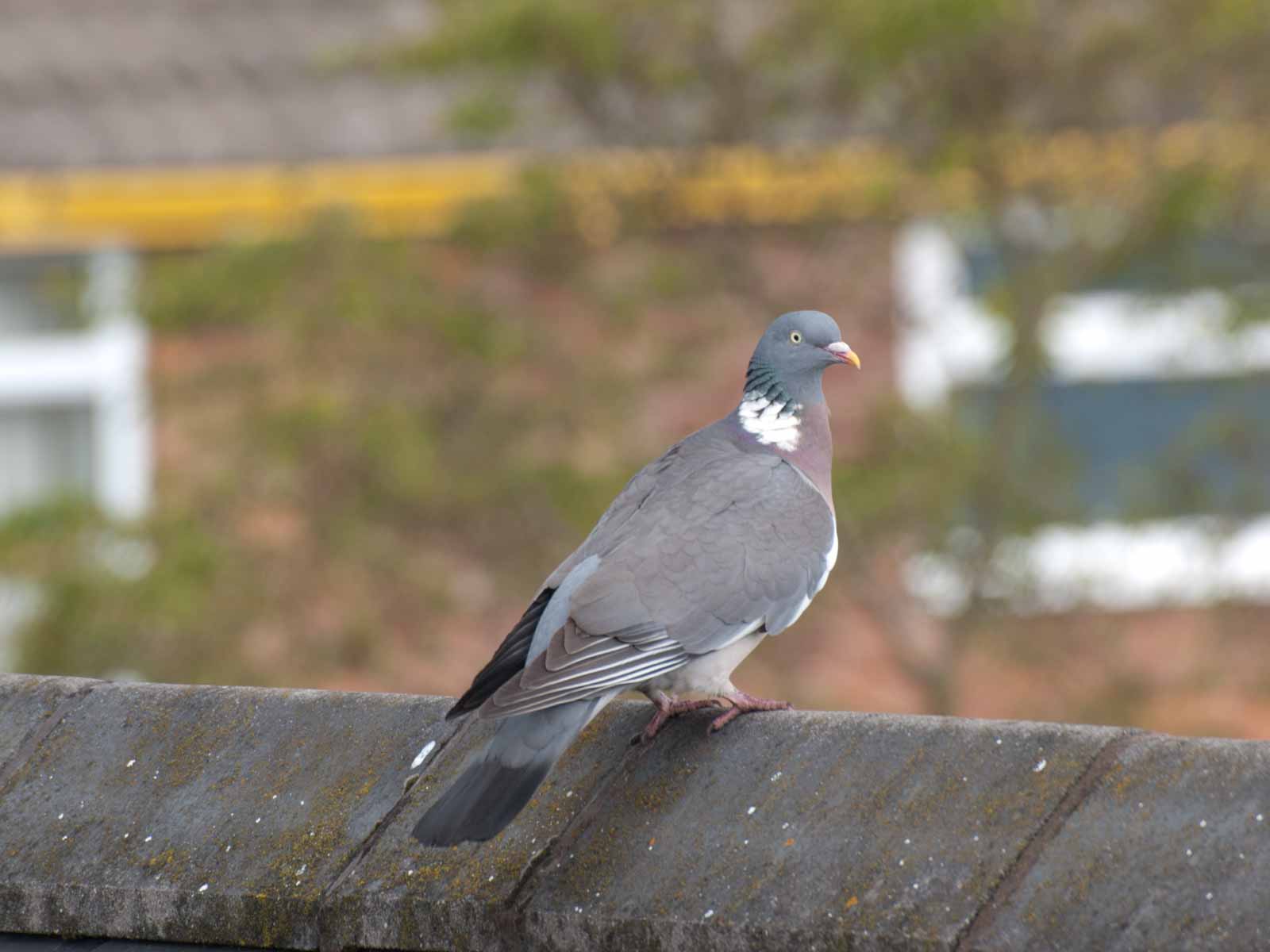
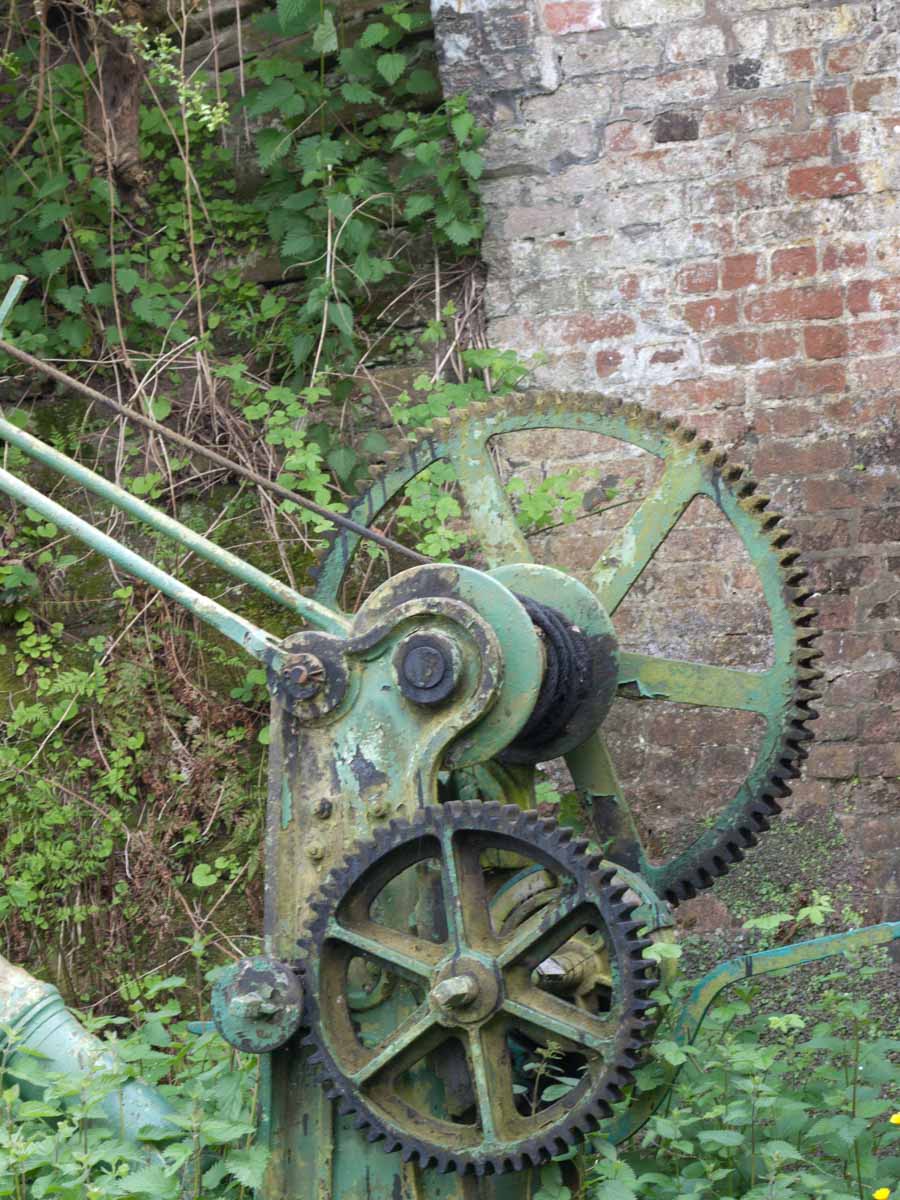
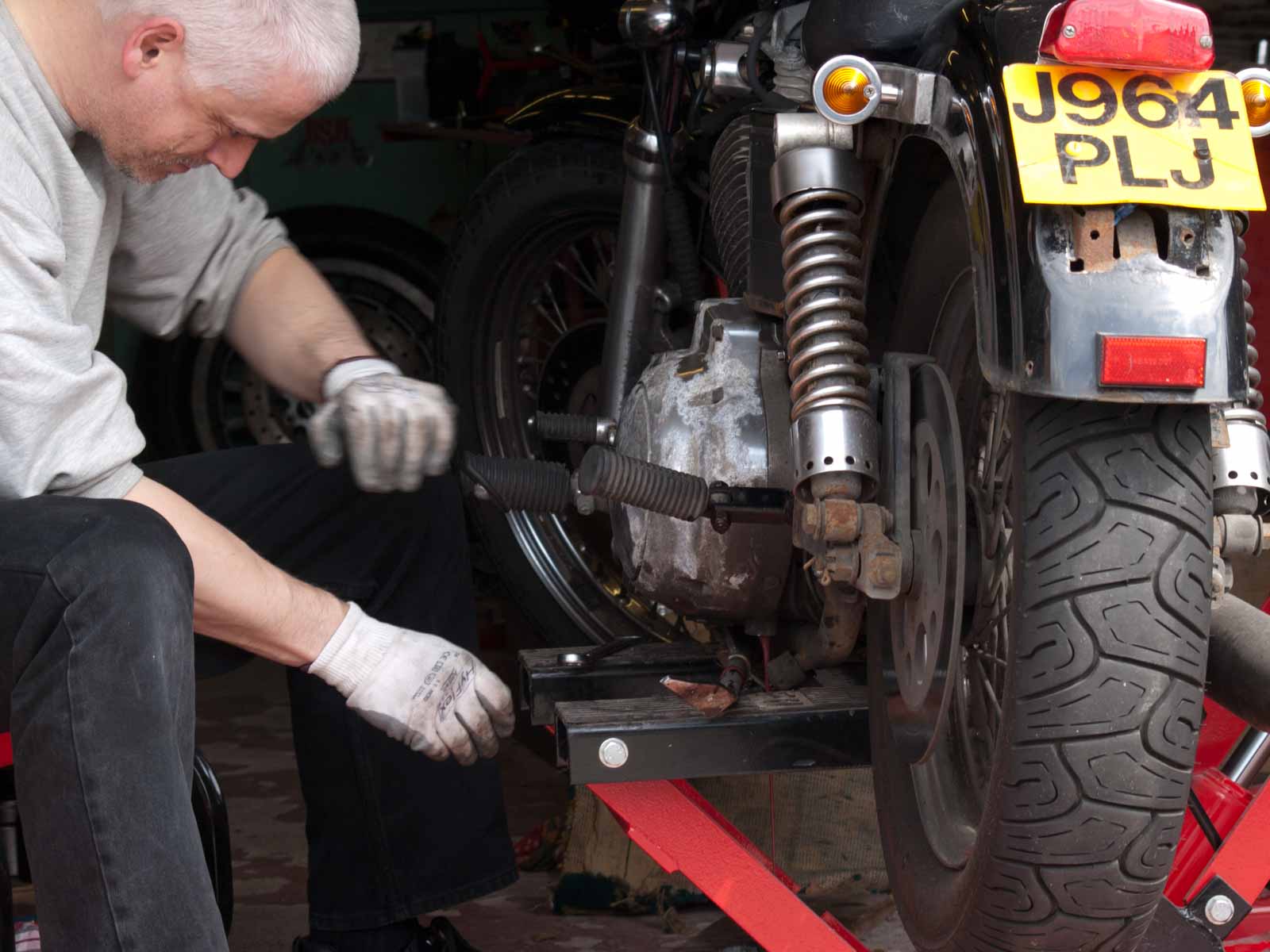
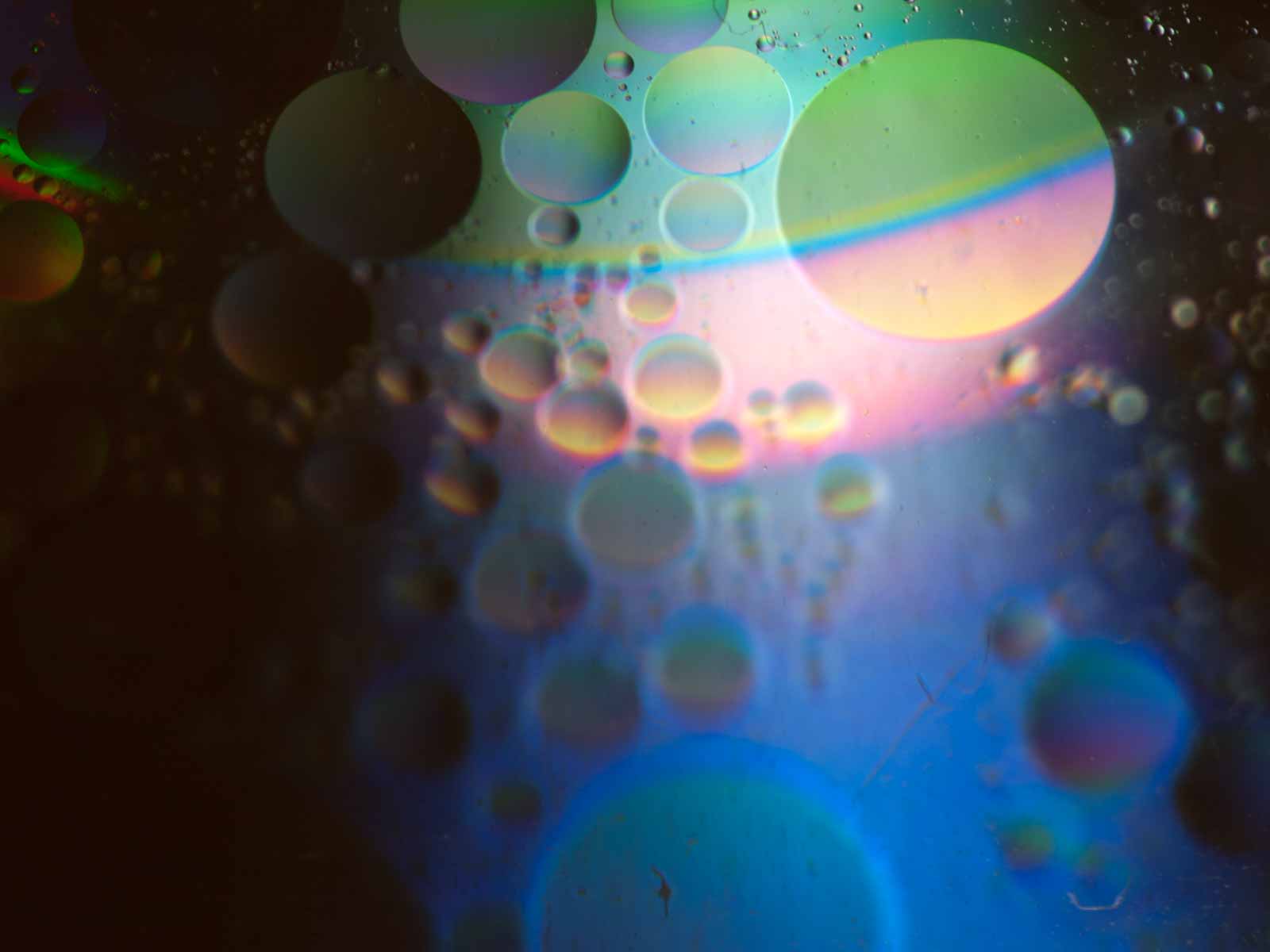
Some of my favourite photographs from this era were taken with the Olympus E-520 paired with the Sigma 105mm macro. The camera’s stabilisation and the lens’s sharpness made it a joy to use, and the results speak for themselves.